

Bahram P. Kalviri
Download PDF
May 4 2025
1
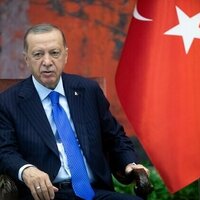
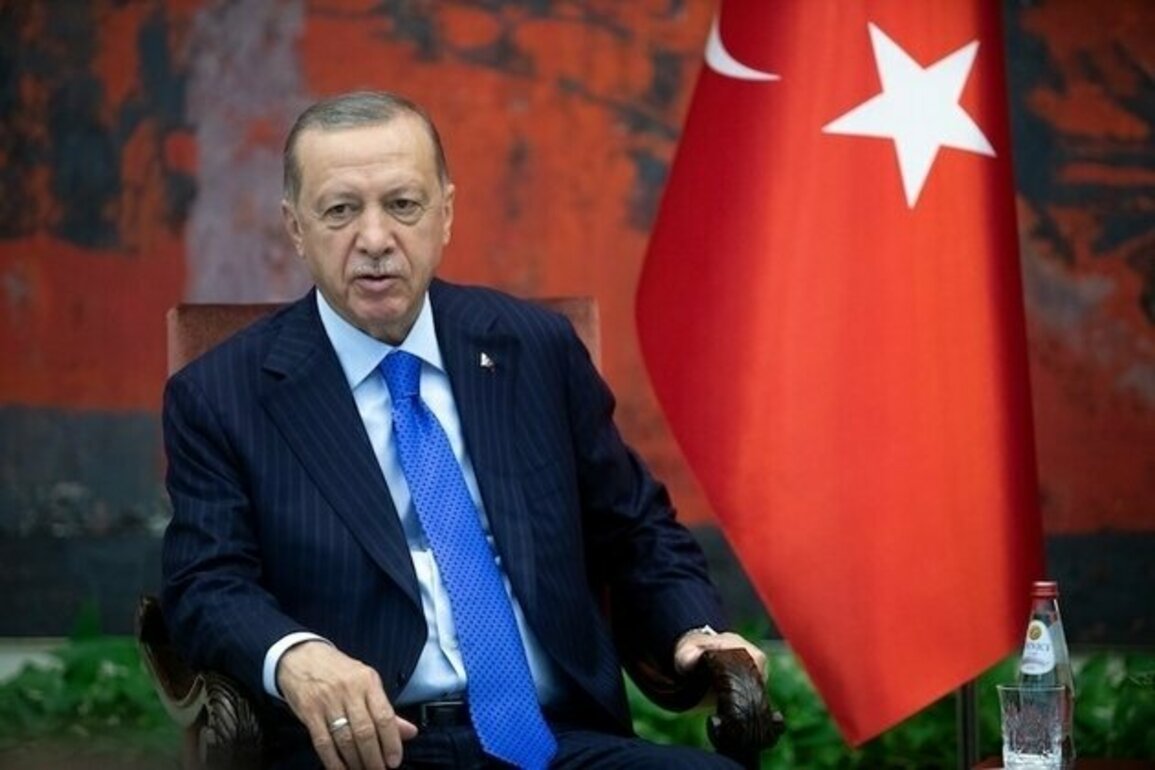
viewsSasa Dzambic Photography/ShutterstockThe recent decision by Recep Tayyip Erdoan, the President of Turkey, to imprisonEkrem mamolu, the Mayor of Istanbul and a powerful political rival, has ignited the most intense protests in Turkey in recent years. Thisaction,carried out under accusations of corruption and terrorism, has been assessed by observers and Erdoans opponents as a point of no return for Turkish democracy and a significant stride towards complete autocracy.
According to a report byForeign Policy, this endeavor to disqualify mamolu from running in the next elections severely limits the path to victory for opposition parties. It starkly demonstrates Erdoans intolerance of any credible challenge to his rule. This intolerance, coupled with the erosion of judicial independence, media freedom, and fair electoral processes, has further undermined the ballot box as a reliable avenue for political change, consequently leaving the streets as the only remaining arena of resistance for many.
However, whileErdoanhas taken significant steps towards consolidating his rule, the path to complete autocracy in Turkey is obstructed by fundamental structural weaknesses. Indeed, a critical absence is a fully loyal repressive apparatus capable of unconditionally executing his will, particularly concerning the military, which has consistentlybeen regarded as a vital element for powerful autocratic regimes. This places Turkey in a precarious state, oscillating between competitive authoritarianism, where elections and other democratic institutions nominally exist but are weakened by systematic abuse of power, and outright dictatorship. This inherent instabilityis further amplifiedby the fact that in this transitional phase, whilethe power structure will be highly vulnerable to public protests, it still lacks the requisite repressive capacity to quell them definitively. Consequently, should Erdoan persist on this course, it may ultimately prove detrimental to him.
To understand the complexities underlying this fragile balance of power, it is worth noting the crucial role of the military. Since the 2000s, Erdoan has striven to insulate the armed forces against coups by reshaping its leadership and purging potential opponents. These efforts intensified following the failed2016 coup attempt, orchestrated mainly by followers ofFethullah Glen, the deceased Muslim cleric. In the interim, whileErdoanhas successfully secured obedience at the upper echelons, the outcome is not a completely loyal force but rather a military politicized at all levels. Analysts believe this distinction is crucial because a truly loyal army obeys unconditionally andis ideologically alignedwith the regime. In contrast, a politicized army is often divided and subject to diverse political expectations, harboring internal distrust beneath a facade of unity and obedience.
Consequently, by politicizing the military in this manner, Erdoan has also jeopardized the future of his regime. Should he continue to escalate repression, particularly if he attempts to deploy the military to suppress protests, he may embark on a perilous course that could have destabilizing consequences not only for Turkey but for the entire region. The experience of anti-government protest movements in the 2010s in the Middle East as part of theArab Springoffers instructive warningsin this regard. In these movements, the fate of authoritarian regimes largely depended on the extent to which the military was willing to suppress protests.
For instance, in Tunisia and Egypt, the reluctance of their respective militaries to violently suppress protests was a key factor in the downfall of the entrenched power structure. Conversely, inBahrain and Saudi Arabia, security forces loyal to the regime were able to preserve the monarchies by brutally quashing protests. Similarly, in Libya, Syria, and Yemen, the wavering loyalty of the armies between the regime and the opposition led to bloody civil wars. Therefore, Turkey is not immune to these dynamics. Since 2017, Erdoan has overseen the dismissal ofover 125,000 civil servants, including thousands of military officers. Pro-government media proudly emphasize that the majority of those now serving in the judiciary and security forces were recruited through political vetting after the coup; thus, it is clear what message Erdoan is sending: the state will no longer tolerate any dissent, and the security forces, including the military, will defend his power.
This narrative, however, conceals a key reality: while Erdoan has filled state institutions with political loyalists, deeply entrenched organizations like the military are not so easily reconstituted. Indeed, armies and other hierarchical institutions, with their distinct organizational norms and structures, tend to moderate political interference. This inherent resistance to political manipulation is particularly true of Turkey, where military socialization is intense and enduring from the earliest stages.
Further Reading on E-International Relations
- Opinion Turkeys May Elections Are about Regime Change
- Opinion How the West Can Prepare for a Post-Erdogan Era in Turkey
- Opinion Disappointments and Expectations in Turkey
- Deciphering Erdoans Foreign Policy after Turkeys 2023 Elections
- Opinion Trkiyes 2024 Local Elections Challenge President Erdoan
- The Fragility of Turkish Democracy
About The Author(s)
Bahram P. Kalviriis a PhD candidate in Political Science at the University of Hyderabad.
TagsRecep Tayyip ErdoganTurkey