

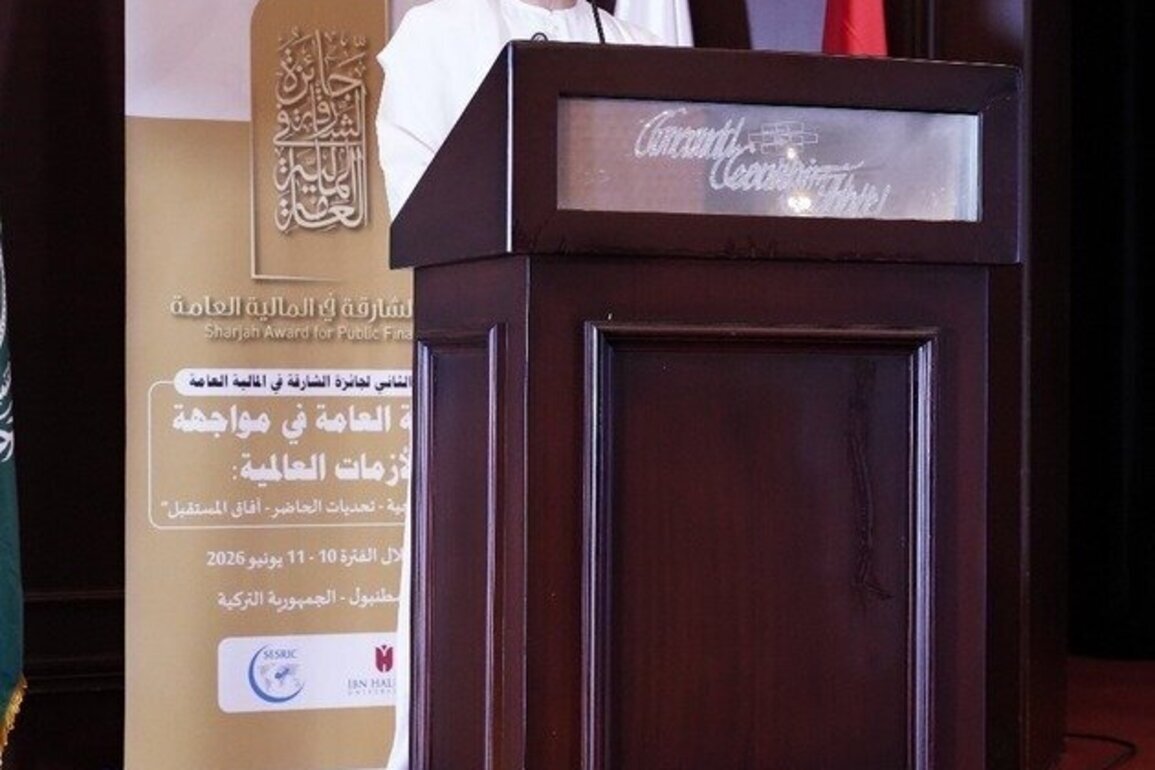
ISTANBUL, 10th June, 2026 (WAM) -- The Second Sharjah Award in Public Finance Forum officially commenced today in Istanbul, Republic of Trkiye. Organised by the Sharjah Award in Public Finance in collaboration with the Arab Administrative Development Organisation (ARADO) - League of Arab States, the forum is being held under the theme "Public Finance in the Face of Global Crises: Strategic Visions - Present Challenges - Future Prospects" on 10-11 June 2026, bringing together a distinguished group of ministers, senior government officials, experts, academics, and specialists in public finance and economics from across the Arab world.
The forum comes at a time of rapid global economic transformations and mounting financial and economic challenges facing governments worldwide. It serves as a high-level Arab platform for dialogue, knowledge exchange, and the sharing of experiences and best practices in public finance, contributing to enhanced preparedness among Arab countries to address global crises and support financial stability and economic sustainability.
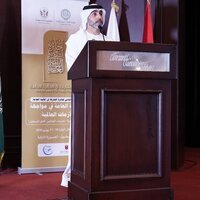
The forum opened with an inaugural session featuring remarks by Dr. Nasser Al Qahtani, Director General of the Arab Administrative Development Organisation (ARADO) - League of Arab States, who stressed the importance of strengthening Arab cooperation and integration in the field of public finance.
He highlighted the need to expand knowledge sharing among Arab financial and economic institutions to support the development of more efficient, flexible, and resilient financial policies capable of adapting to rapidly evolving global economic conditions.
Dr. Al Qahtani also underscored the importance of advancing public financial management systems, reinforcing governance and transparency principles, and leveraging successful regional and international experiences to develop balanced financial policies that meet development requirements while ensuring the optimal use of public resources, ultimately enhancing government performance and sustainable development across Arab countries.
For his part, Sheikh Rashid bin Saqr Al Qasimi, Director General of the Sharjah Finance Department and Secretary-General of the Sharjah Award in Public Finance, noted that the forum reflects the Award's commitment to its developmental and knowledge-sharing role in advancing public financial management and enhancing the efficiency of financial policies across the Arab world.
He said: "The forum represents a specialised Arab platform that brings together decision-makers, experts, academics, and practitioners in public finance to exchange insights and successful experiences while discussing key issues facing governments today, foremost among them financial sustainability, efficient public resource management, and the development of response mechanisms to global economic and financial crises. At the Sharjah Award in Public Finance, we firmly believe that investing in knowledge and exchanging expertise are fundamental pillars for advancing public financial policies and supporting sustainable development pathways."
He added: "We take pride in the growing regional recognition achieved by the Award as a model of excellence in public finance. Through this forum, we seek to contribute to building effective institutional and knowledge partnerships and strengthening cooperation among Arab financial and economic institutions, thereby supporting the adoption of international best practices, enhancing government financial performance, and ultimately achieving sustainable economic development capable of addressing present challenges and seizing future opportunities."
The opening session also included the recognition of a number of distinguished individuals and participating entities in appreciation of their contributions to the advancement of public financial management.
The first plenary session, chaired by Dr. Nasser Al Qahtani, focused on strategic issues related to the impact of global crises on public finance and ways to strengthen governments' capacity to respond to current economic challenges.
During the session, Dr. Samir Radwan, former Minister of Finance of Egypt, discussed the role of fiscal policies in addressing global crises and enhancing governments' ability to navigate growing economic challenges while maintaining a balance between financial stability and development requirements.
Professor Mansor Ibrahim, Dean of the International Centre for Education in Islamic Finance (INCEIF) and Vice President for Academic Affairs in Malaysia, addressed public debt sustainability and management during periods of economic uncertainty, highlighting the importance of long-term financial planning and effective management of government financial obligations.
Yasser Sobhy, Deputy Minister of Finance of Egypt, presented an analysis of the impact of crises and risks on public finance in Egypt and across the Arab region. Meanwhile, Dr. Gokhan Ereli, Academic Researcher at Ibn Haldun University in Trkiye, explored developments in the global economy and their implications for public finance amid crises and disasters.
The session concluded with an open discussion among participants on the major challenges facing public finance in the Arab region and opportunities to enhance resilience and sustainability.
The forum will continue tomorrow with a series of specialised workshops covering several key topics, including improving the efficiency of public budgets and debt management, strengthening flexibility and financial response tools during crises, examining the role of fiscal policies in mitigating the effects of global crises, and reinforcing governance and transparency principles in public finance anagement.
The forum will conclude with a closing session presenting the key recommendations and outcomes developed by participants, contributing to efforts aimed at advancing public financial policies and strengthening their sustainability across the Arab world.